Hugo Flores · 13 September 2026
Reclaimed Farm Timber's Influence on Acoustic Benchmarks in Contemporary Performance Spaces
Researchers have documented how weathered agricultural timber from disused farm structures contributes distinctive acoustic characteristics that inform current standards for performance venues around the world, and these findings continue to shape material selection processes in architectural acoustics projects. Studies indicate that the natural aging process creates irregular surfaces and altered cellular structures in the wood, which affect sound wave behavior in measurable ways that laboratory tests replicate across multiple facilities.
Material Characteristics and Sound Interaction
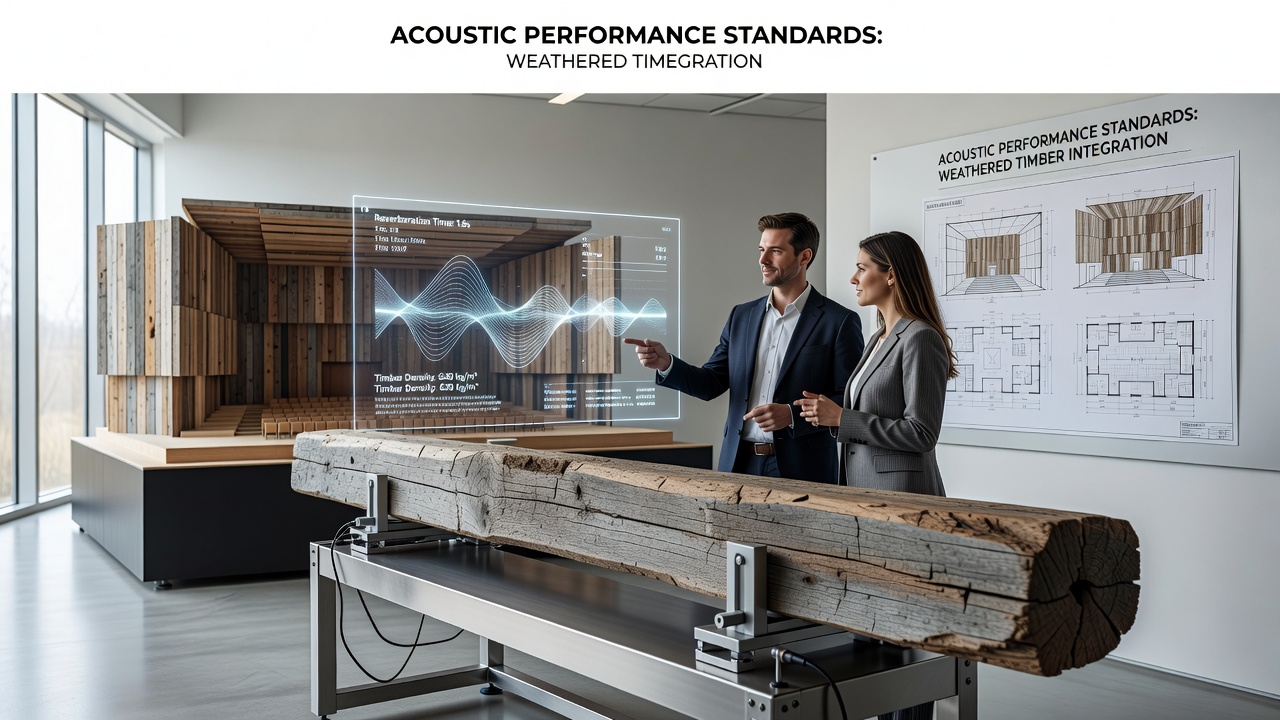
Data from material science evaluations reveal that prolonged exposure to weather cycles changes the density and porosity of agricultural timber, resulting in enhanced low-frequency absorption compared to freshly milled lumber, while the irregular grain patterns promote sound diffusion that reduces echo in enclosed spaces. Engineers apply these properties when designing auditoriums and theaters where consistent reverberation times remain essential for speech intelligibility and musical clarity. Observers note that reclaimed beams and planks often undergo non-destructive testing before installation to verify their performance metrics against established criteria from international bodies.
Acoustic consultants frequently reference case examples where timber salvaged from Midwest grain elevators and European dairy barns was incorporated into wall and ceiling treatments, and these installations produced measurable improvements in sound distribution without additional synthetic absorbers. The process involves careful documentation of each timber batch's origin and treatment history to ensure compliance with fire safety and structural codes that overlap with acoustic requirements.
Development of Testing Protocols
Standards organizations have incorporated data derived from weathered timber samples into updated testing protocols, and this integration occurred after multiple peer-reviewed papers demonstrated repeatable acoustic benefits across different climate zones. In September 2026 the World Forum on Architectural Acoustics will present new measurement techniques that account for the variable moisture content found in reclaimed agricultural materials, a factor that influences long-term performance in climate-controlled venues.
One research team at a Canadian university analyzed dozens of barn-derived samples and established baseline absorption coefficients that now appear in reference tables used by designers in North America and Australia. Those findings prompted revisions to guidelines published by the Australian Building Codes Board, which now recommend specific inspection steps for any reclaimed timber destined for acoustic applications.
Integration in Recent Venue Projects
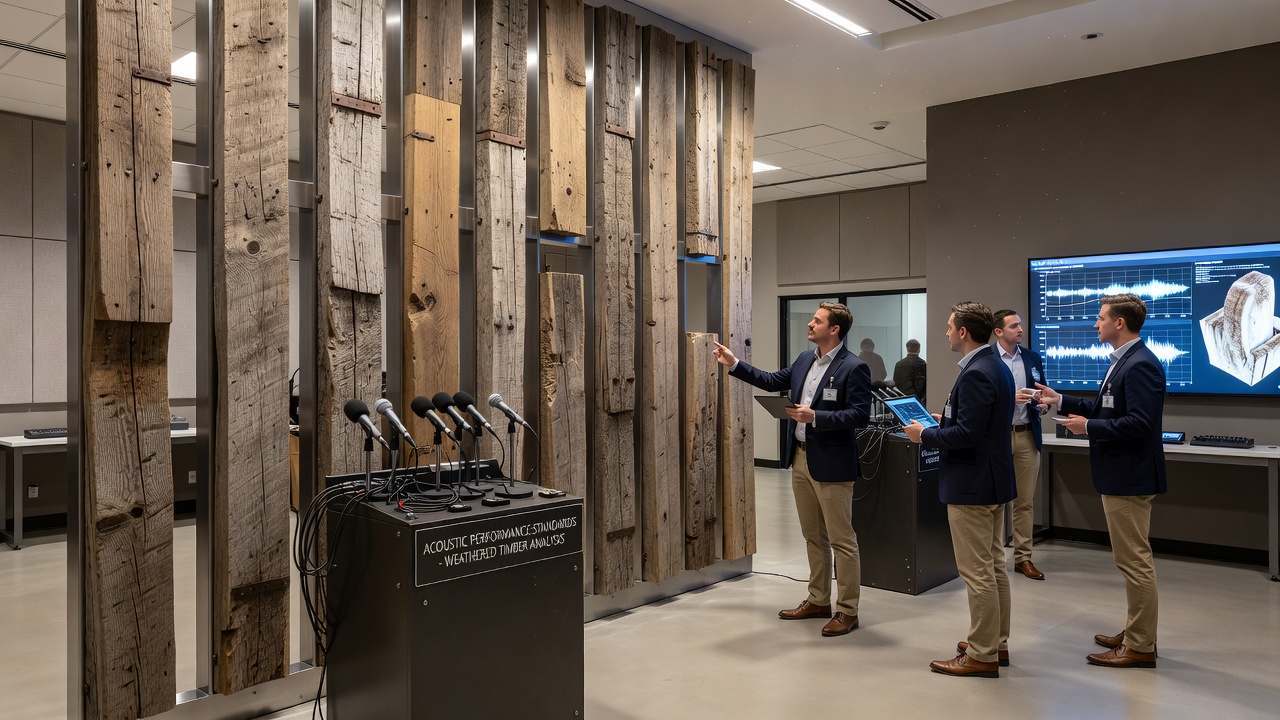
Architectural firms have applied these research outcomes in several high-profile renovations and new constructions completed within the past five years, and project reports show that the timber elements contributed to achieving target reverberation times while meeting sustainability targets for recycled content. Venue operators report that maintenance schedules for these installations remain comparable to those using conventional materials, provided initial moisture stabilization occurred during fabrication.
European standardization efforts through the European Committee for Standardization have begun referencing similar datasets when updating EN ISO 3382 procedures for measuring room acoustic parameters, and this cross-regional alignment helps manufacturers certify products for international markets. Practitioners who specify reclaimed agricultural timber therefore consult both regional codes and global benchmarks to confirm compatibility with local regulations.
Future Research Directions
Current investigations focus on long-term durability under varying humidity conditions and the potential for surface treatments that preserve acoustic performance without altering the material's natural properties. Collaborative studies between university laboratories and industry groups continue to generate datasets that refine predictive models used during the design phase of performance spaces.
Conclusion
Evidence accumulated from laboratory measurements and installed projects demonstrates that weathered agricultural timber supplies measurable acoustic advantages that have influenced contemporary standards for performance venues. Ongoing standardization work, including sessions planned for September 2026, will further integrate these characteristics into design practices across multiple continents.