Jakob Schulz · 25 October 2026
Reclaimed Historic Timber and Its Compliance with Sustainable Building Regulations in Metropolitan Redevelopment Initiatives
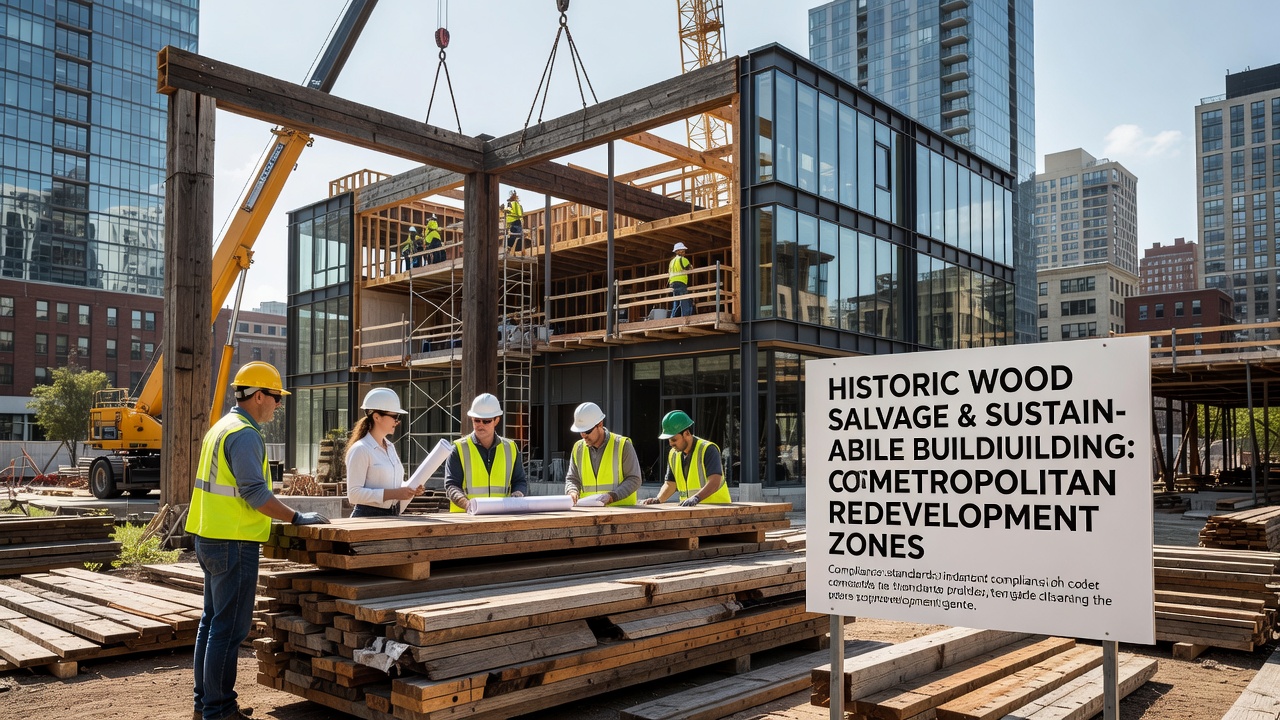
Metropolitan redevelopment zones across multiple continents now integrate salvaged historic wood into projects that must satisfy updated sustainable building codes, and this process draws on regulatory frameworks established by agencies in North America, Europe, and Australia. Cities such as Chicago, Berlin, and Melbourne have documented increases in the volume of reclaimed timber incorporated into mixed-use developments since 2023, with data from municipal permitting offices showing a 22 percent rise in approvals that reference heritage wood sourcing. These trends align with broader shifts in construction standards that emphasize material reuse while maintaining structural integrity requirements.
Regulatory Frameworks Guiding Salvage Operations
Building codes in redevelopment zones typically reference international benchmarks including the International Green Construction Code and equivalent directives from the European Union on circular economy practices. Municipal authorities require documentation proving that salvaged wood meets fire-resistance ratings, moisture content thresholds, and load-bearing specifications before installation proceeds. Research from academic institutions such as the University of British Columbia indicates that properly graded reclaimed oak and pine often exceeds performance expectations when compared to newly milled lumber in controlled tests.
Observers note that October 2026 marks the implementation deadline for revised energy-efficiency provisions in several U.S. metropolitan areas, provisions that explicitly list reclaimed timber as an eligible material under certain certification pathways. These updates build on existing guidelines from the U.S. Environmental Protection Agency, which track construction and demolition material diversion rates nationwide. Projects must now submit chain-of-custody records that trace wood back to original structures, a step designed to prevent misrepresentation of material origins.
Material Sourcing and Certification Processes
Salvage contractors operating in redevelopment zones follow standardized grading protocols established by industry organizations such as the American Wood Protection Association and parallel bodies in Canada. These protocols classify reclaimed timbers according to species, defect patterns, and prior treatment history, allowing architects to specify materials that satisfy both aesthetic and technical criteria. Data compiled by regional planning commissions shows that certified reclaimed wood contributes measurable points toward green building certifications in over 60 percent of approved projects in targeted zones.
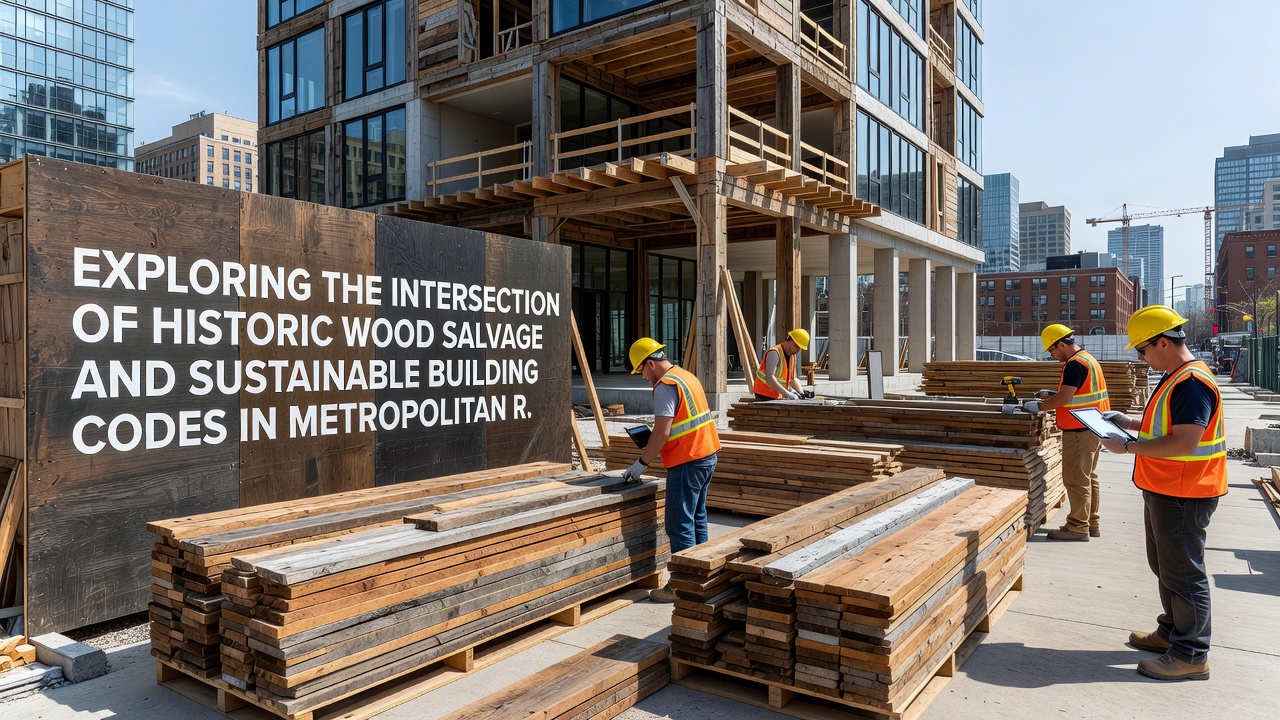
One redevelopment project in Portland, Oregon, incorporated 18,000 board feet of salvaged Douglas fir from a 1920s warehouse into a new mixed-use building while meeting updated seismic and thermal performance standards. Similar efforts in Rotterdam have combined reclaimed European beech with cross-laminated timber systems to achieve compliance with Dutch building regulations that prioritize low embodied-carbon materials. These examples illustrate how local permitting processes accommodate historic wood when accompanied by third-party verification reports.
Challenges in Code Compliance Across Regions
Variability in regional interpretations of sustainable building codes creates administrative hurdles for contractors working across multiple jurisdictions. Some metropolitan authorities require additional engineering analysis for load paths when reclaimed beams replace conventional members, whereas others accept mill certificates from accredited facilities as sufficient documentation. Studies published by the Commonwealth Scientific and Industrial Research Organisation in Australia highlight that moisture equilibration periods for salvaged timber can extend project timelines by several weeks, a factor now accounted for in updated scheduling guidelines.
Authorities in Toronto and Vancouver have introduced pilot programs that pair salvage operators with code officials early in the design phase, reducing the frequency of post-installation corrections. These programs reference performance data collected from completed structures, demonstrating that properly prepared reclaimed wood maintains dimensional stability comparable to kiln-dried alternatives under varying humidity conditions.
Future Developments and Monitoring
Monitoring systems installed in several redeveloped buildings now collect long-term performance data on reclaimed wood assemblies, feeding into databases maintained by national standards organizations. This information supports ongoing revisions to building codes scheduled for review cycles in 2027 and beyond. Metropolitan zones continue to refine permitting workflows to accommodate increased volumes of historic timber while preserving safety margins established through empirical testing.
Conclusion
Coordination between salvage operations and sustainable building codes in metropolitan redevelopment zones relies on documented material properties, third-party verification, and evolving regulatory language that recognizes reclaimed wood as a viable component. Continued collection of performance metrics from projects completed through October 2026 and afterward will inform further refinements to these frameworks across multiple continents.